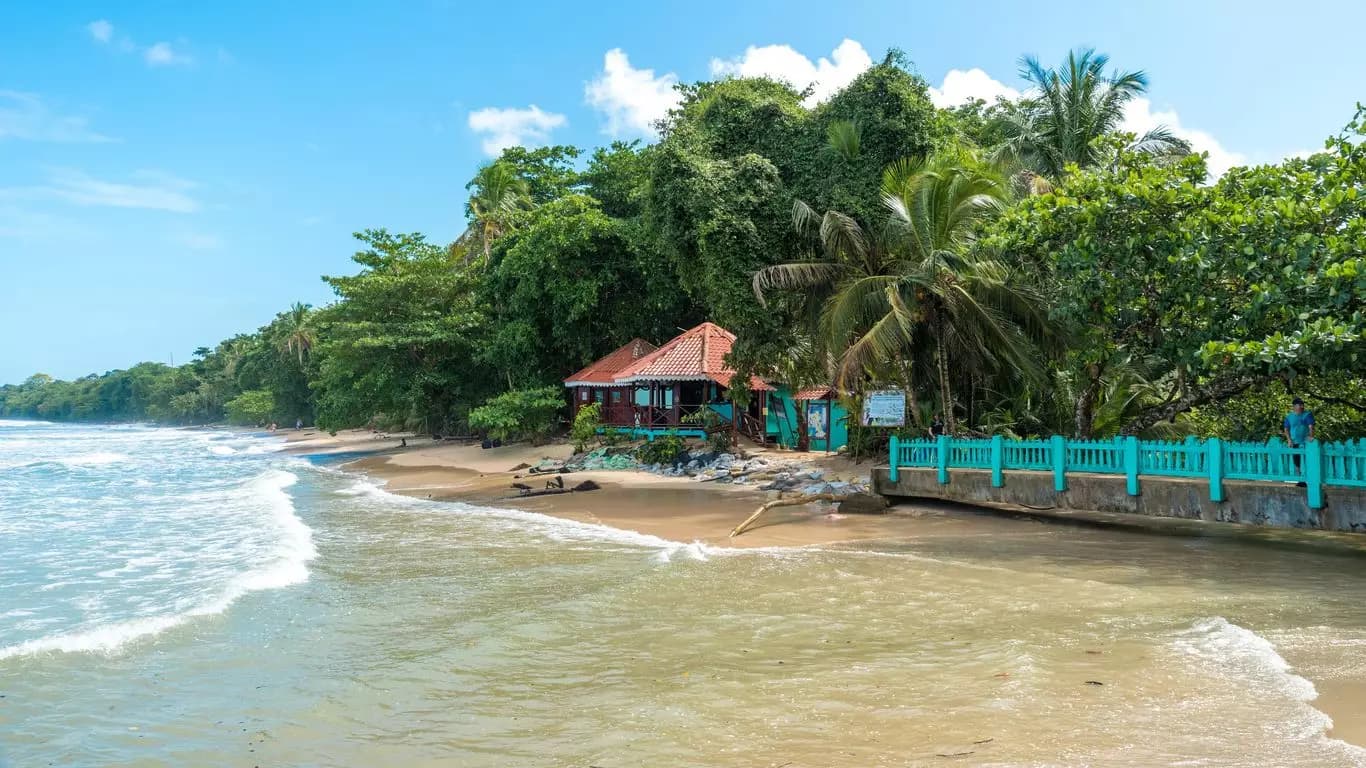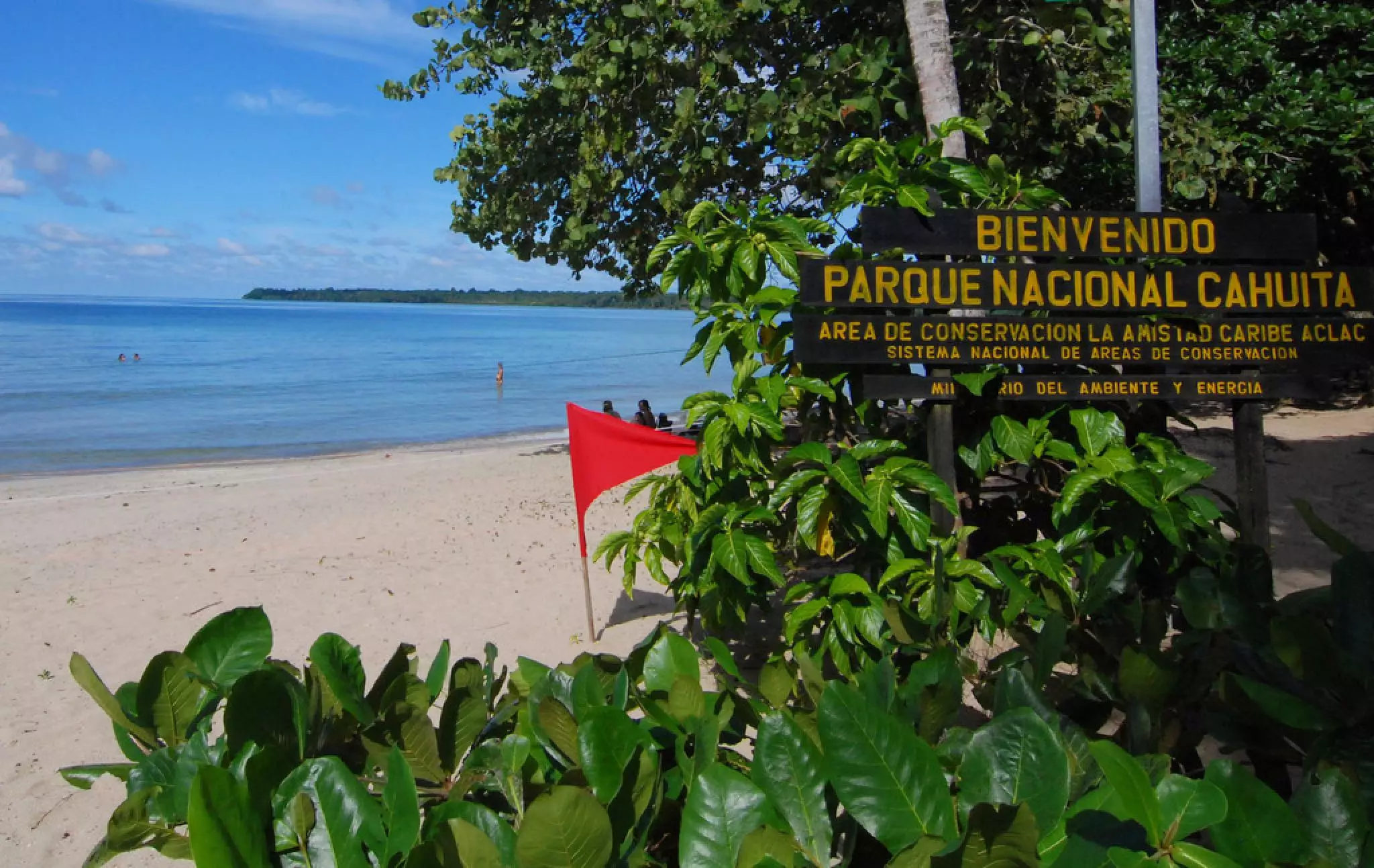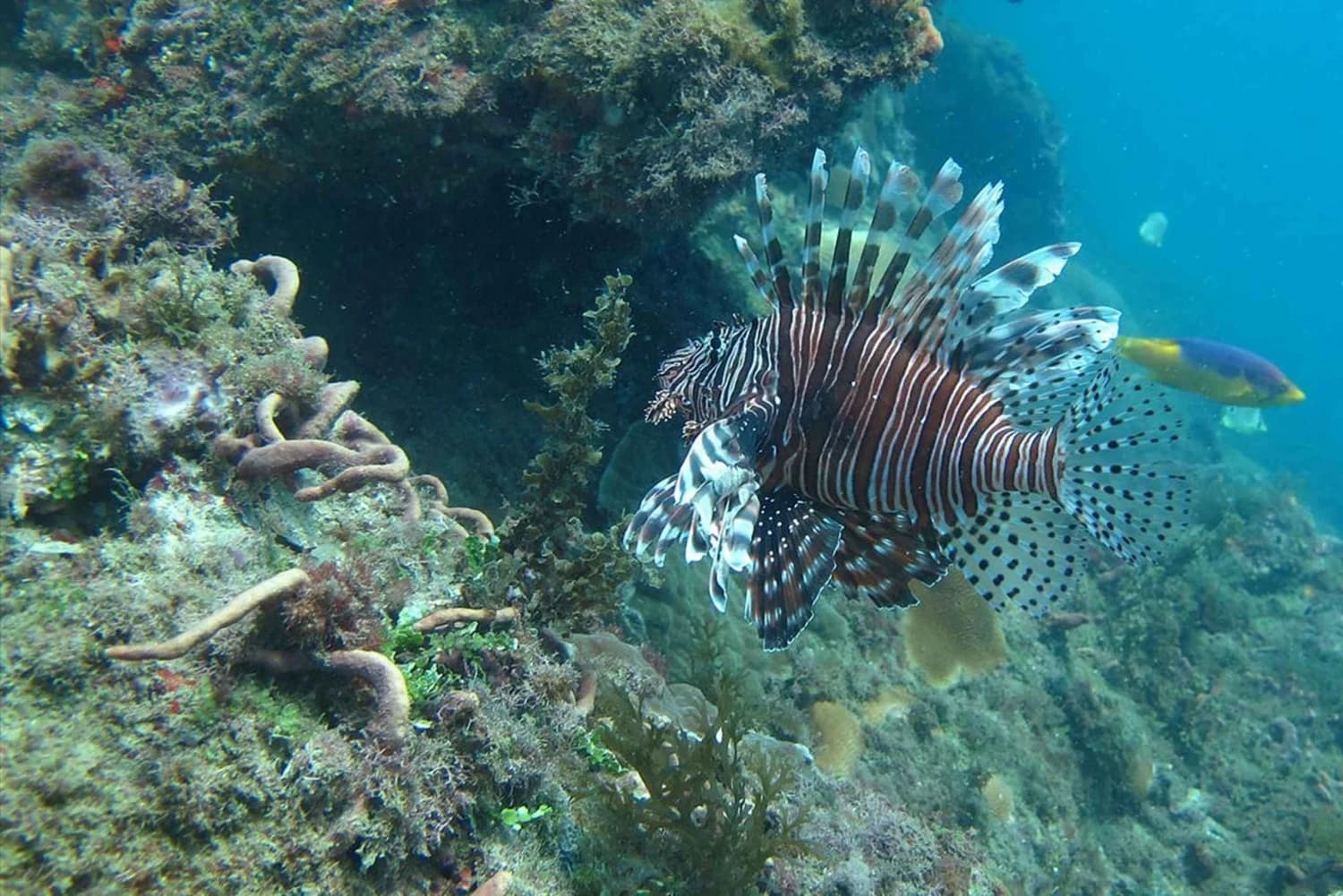
Palm-fringed Caribbean beach and coral reef at Cahuita National Park, Costa Rica

Cahuita & Puerto Viejo

Caribbean Reef, Surf & Culture

Why Visit Cahuita & Puerto Viejo?

Cahuita and Puerto Viejo offer a distinct soul-stirring Afro-Caribbean culture, combined with pristine coral reefs and lush coastal rainforest. It is the perfect place for those who want both relaxation and vibrant cultural immersion.
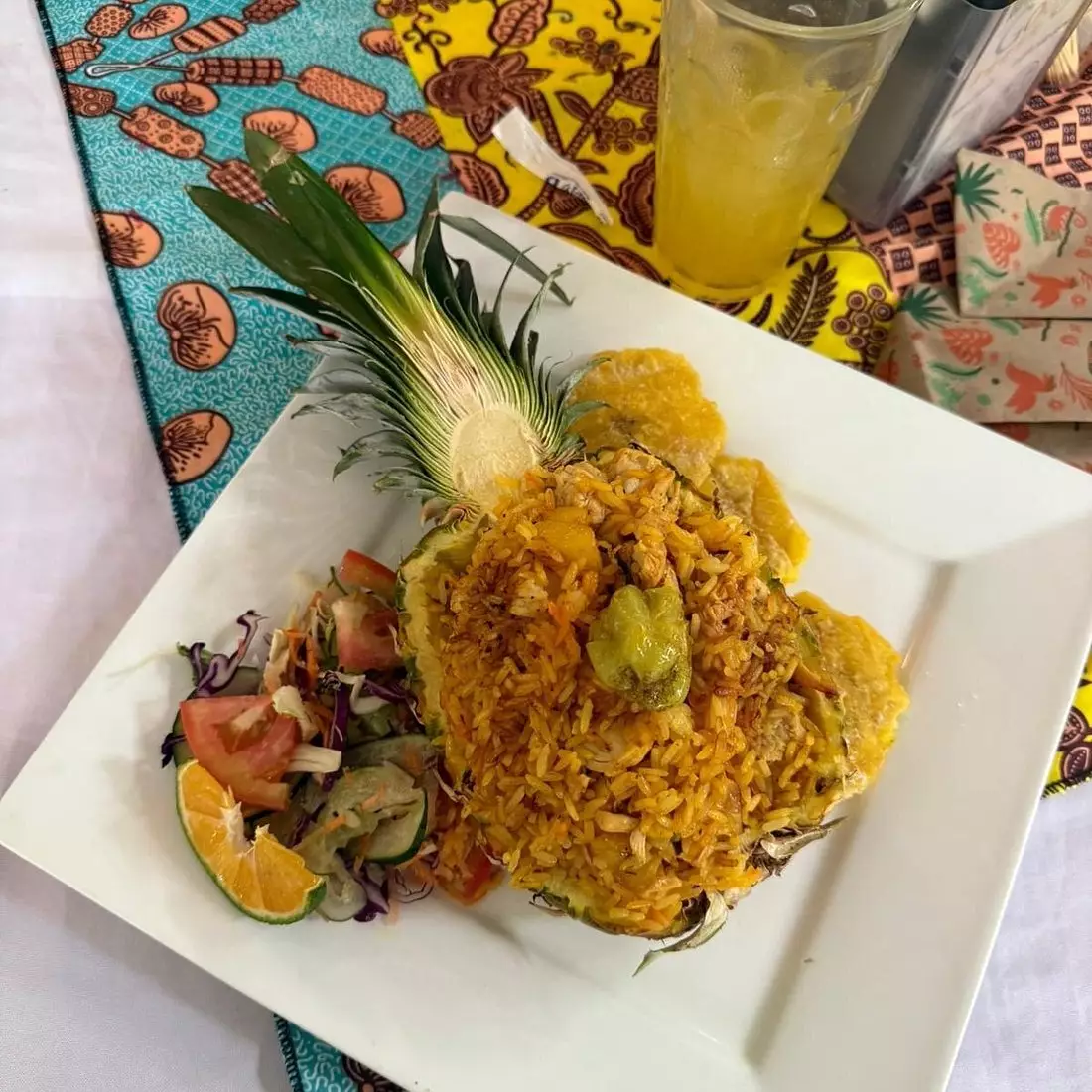
The Caribbean side runs on its own clock and its own kitchen. Rice and beans cooked in coconut milk, patí, rondón and Limonese calypso have almost nothing to do with the Pacific coast, and the reef at Cahuita National Park is the only significant living coral reef in Costa Rica — a genuinely different country from Guanacaste.
Destination highlight
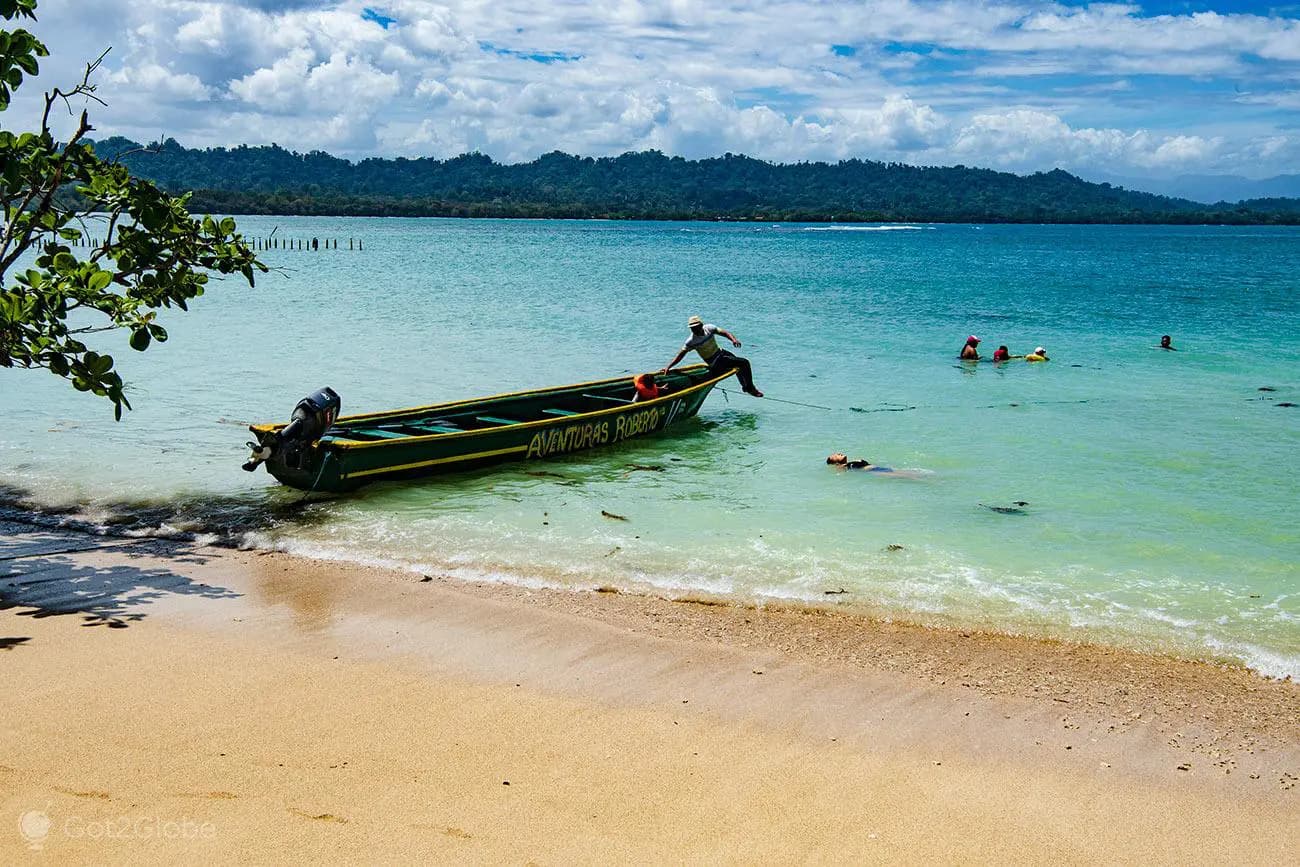
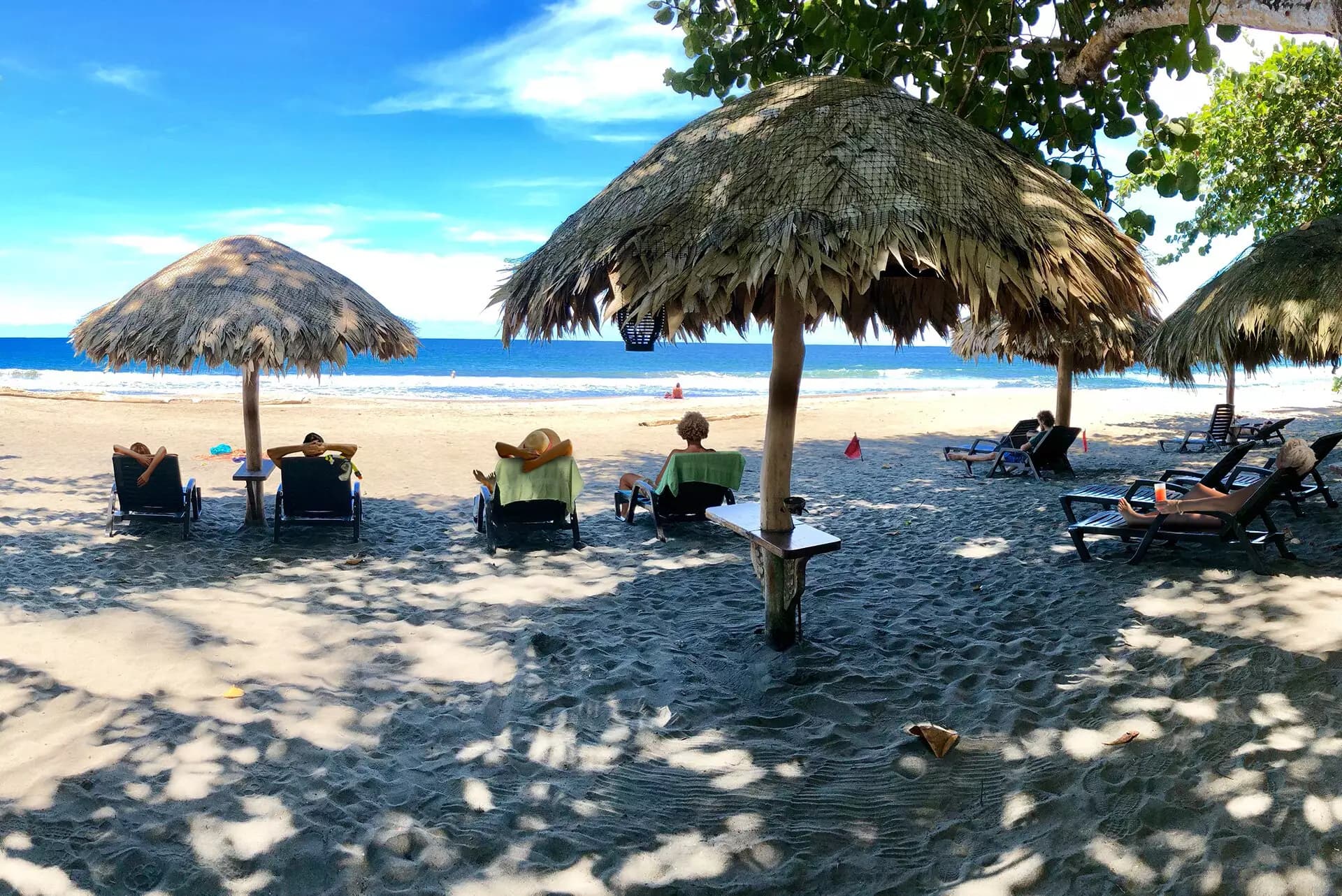
Vibrant turquoise waters meet the golden sands of Cahuita National Park. (Image 1 of 10)

Top Activities in Cahuita & Puerto Viejo

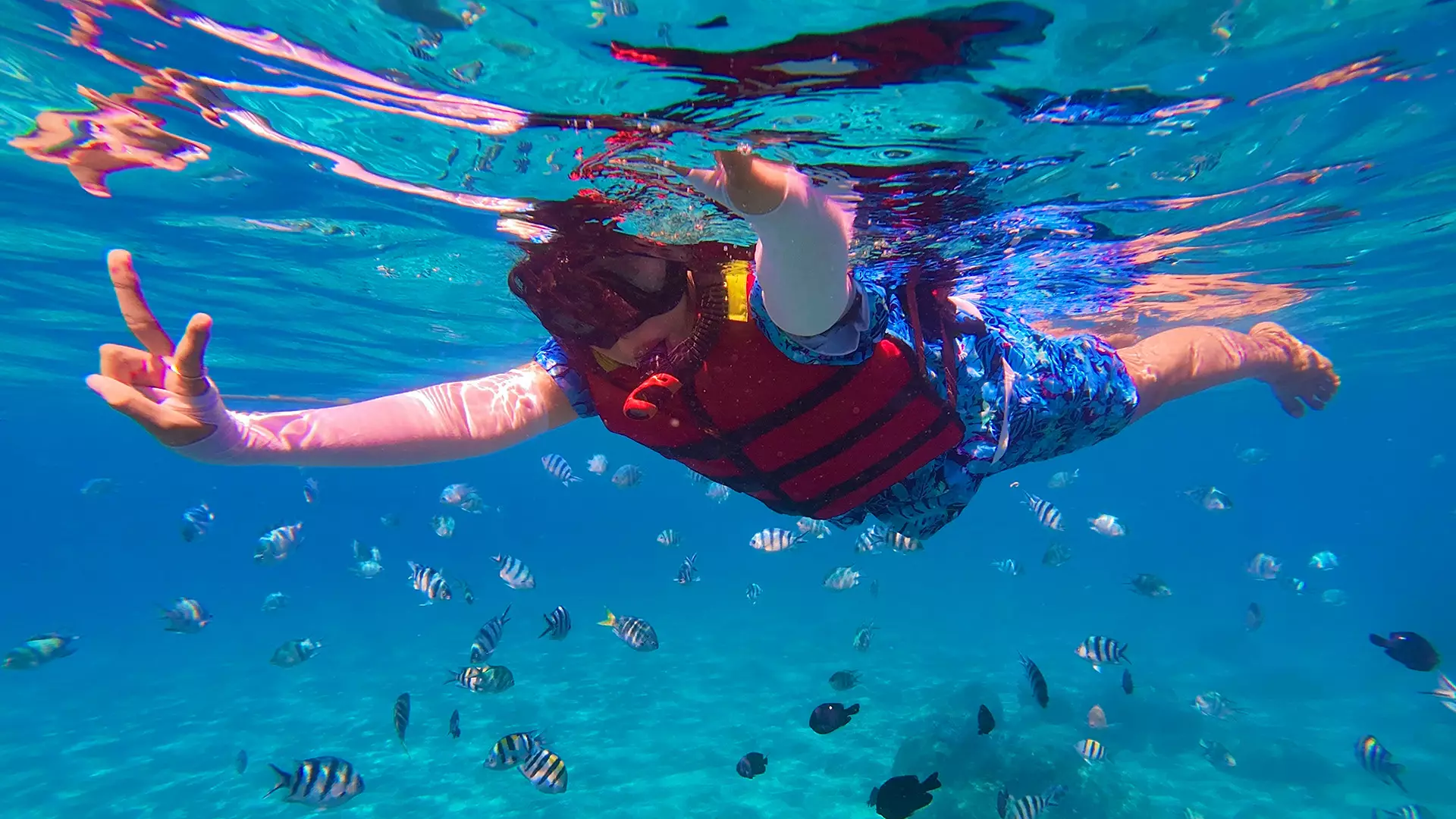
Snorkel Cahuita National Park

Snorkel Cahuita National Park

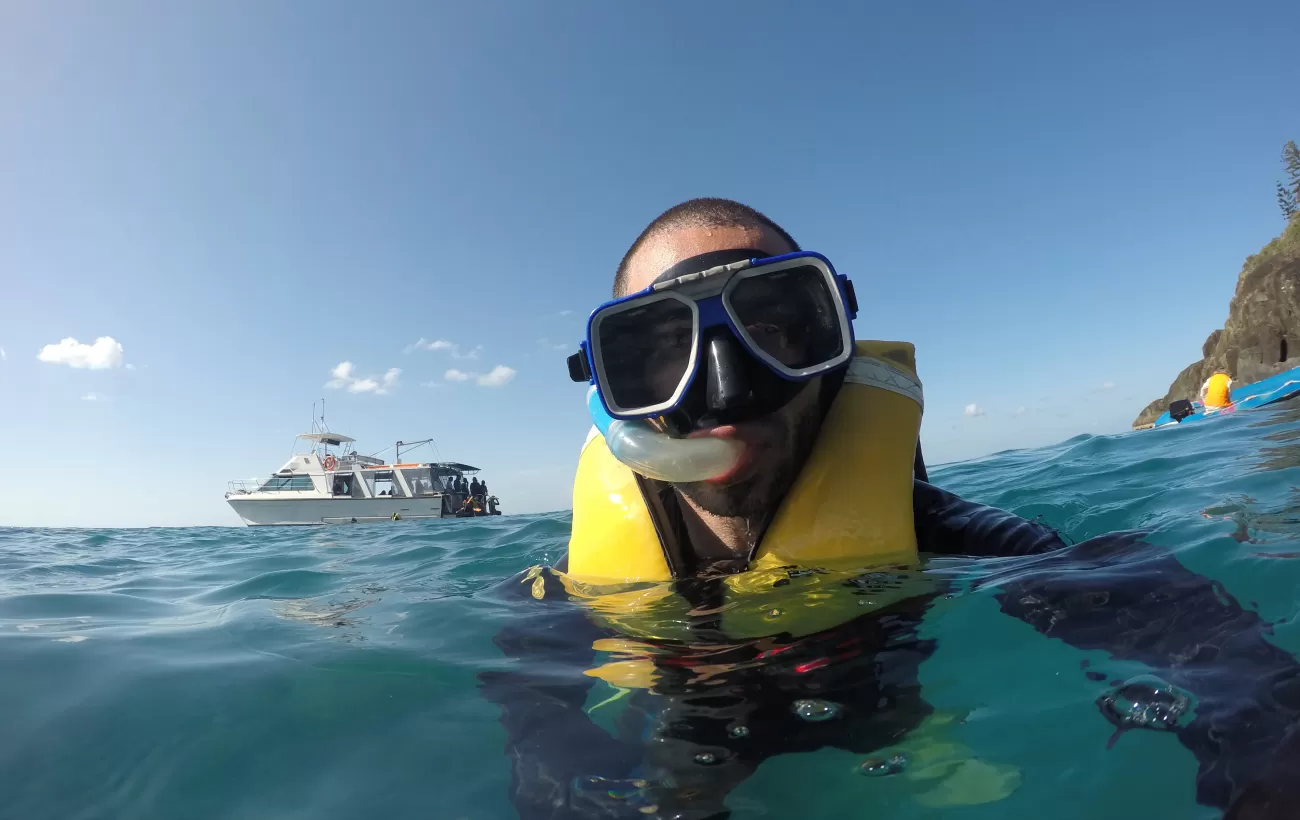
Wade through reef-protected waters teeming with tropical fish, rays, turtles, and healthy coral formations—a marine wildlife paradise.
Hike Cahuita National Park Trails

Hike Cahuita National Park Trails

Walk easy coastal trails under coconut palms, spotting sloths, monkeys, iguanas, and birds—an immersive and scenic wildlife experience.
Surf or Relax on Puerto Viejo Beaches

Surf or Relax on Puerto Viejo Beaches

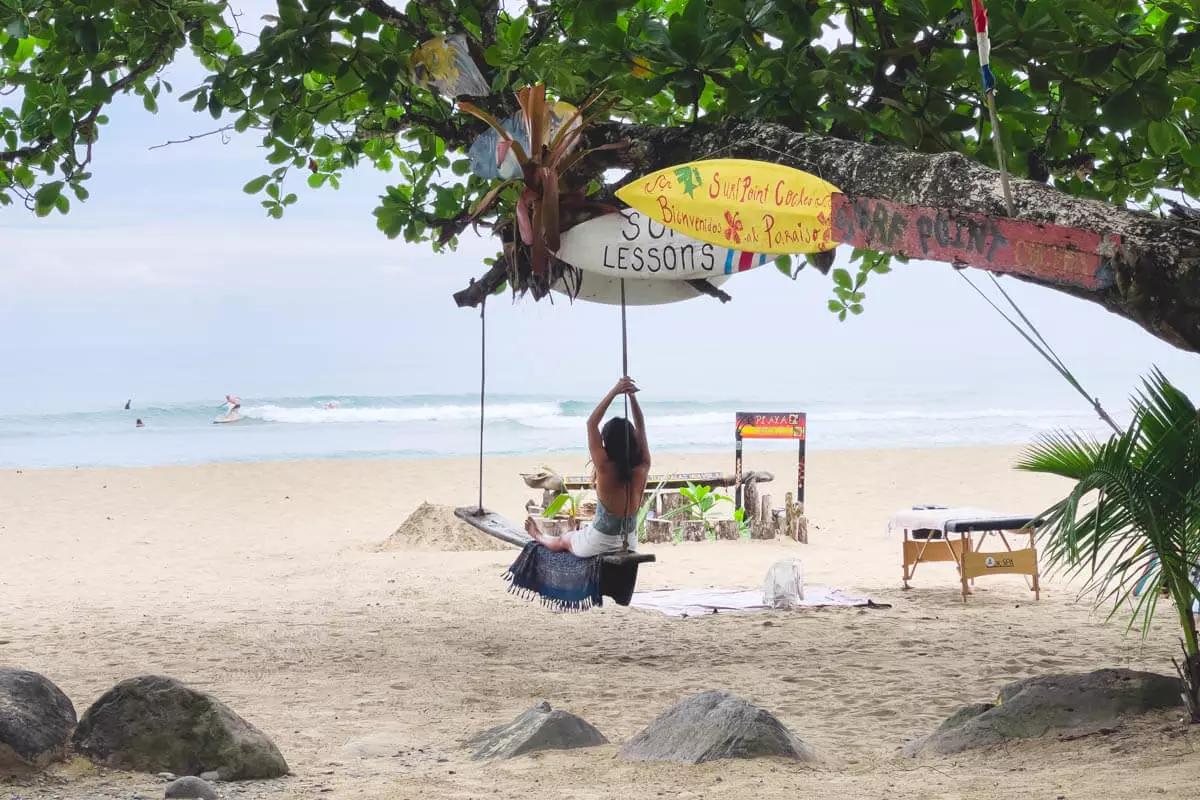
Surf the famous Salsa Brava waves or unwind on gentle Playa Cocles or Playa Chiquita—great for both pros and beach lovers.
Jaguar Rescue Center Visit

Jaguar Rescue Center Visit

Meet rescued sloths, monkeys, cats, and parrots at this reputable rehabilitation center—perfect for educational and family-friendly encounters.

What to Do? Featured Tours

Cahuita Snorkeling & Reef TourRecommended

Cahuita Snorkeling & Reef Tour

Guided snorkeling trip over vibrant Caribbean reefs—with marine-life spotting and interpretive guidance.
Cahuita Wildlife & Coastal HikeRecommended

Cahuita Wildlife & Coastal Hike

Walk park trails with a local guide who highlights sloths, birds, and the region’s unique coastal ecosystems.
Puerto Viejo Surf LessonRecommended

Puerto Viejo Surf Lesson

Learn to catch Salsa Brava’s powerful waves or ride gentler breaks—suitable for all skill levels.
Jaguar Rescue Center Half-Day TripRecommended

Jaguar Rescue Center Half-Day Trip

Visit rehab facilities, learn about conservation efforts, and get close to rescued wildlife in ethical settings.
Kayak/SUP Gandoca-Manzanillo TourRecommended

Kayak/SUP Gandoca-Manzanillo Tour

Paddle serene waterways, mangroves, and wildlife habitats in a peaceful eco-adventure.

Best time to visit Cahuita & Puerto Viejo

Best time to visit Cahuita & Puerto Viejo
Located on the Caribbean coast, this region is humid and rainy year-round, with no clear dry season.
  • February, March, September, October:: Tend to be the driest months—ideal for beach and reef visits.
  • Heavy rain can occur at any time, often in short bursts—embrace the lush greenery and culture.:
MetricJanFebMarAprMayJunJulAugSepOctNovDec
Avg High (°F)848585868787868687878584
Avg Low (°F)707070727373737373727271
Rain Days107781216171510121311

How to Get to Cahuita & Puerto Viejo?

How to get to Cahuita & Puerto Viejo
Cahuita and Puerto Viejo are about 4 hours from San Jose via Route 32 through Braulio Carrillo and then Route 36 down the coast. The main road is paved; side roads to the southern beaches are not. Daily shared shuttles run from San Jose and Limon.
Rental Car:
Drive ~4 hours from San José via Route 32 and Route 36—some coastal roads are unpaved, 4×4 recommended.
Shared Shuttle Services:
Daily shuttles from San José and Limón—comfortable, with set schedules.
Private Shuttle Service:
For personalized transfers and comfort. For more Private transportation information click here: Fortuna Expeditions' transportation services.

Best Travel Tips for Cahuita & Puerto Viejo

Best travel tips for Cahuita & Puerto Viejo
  1. Bring rain gear and quick-dry clothing—coastal humidity and showers are common even in “dry” months.
  2. Use reef-safe sunscreen for snorkeling and beach days to protect the delicate marine ecosystem.
  3. Book Jaguar Rescue and snorkeling tours early, especially during peak months (Feb, Mar, Sep, Oct).
  4. Carry cash (colones or USD) for small eateries and park donations, especially for Cahuita Park entry.
  5. Respect local customs—observe nesting turtles or sacred cultural rituals quietly and ethically.

Top Restaurants in Cahuita & Puerto Viejo

Top restaurants in Cahuita & Puerto Viejo
  • Restaurante Cahuita

    Coastal setting near the national park, serving Caribbean-style seafood, rice & beans, and fresh juices in an open-air vibe.
  • Koki Beach Restaurant

    Beachfront dining with fresh mezze, cocktails, and sunset views—fusing Caribbean flavors with international flair.
  • Dimensión Costeña

    Known for Caribbean house specialties like rondón soup, jerk chicken, and seafood—vibrant cultural flavors in Puerto Viejo.
  • El Refugio del Río

    Hidden riverside eatery serving Costa Rican and Caribbean dishes—great for lunch and wildlife spotting by the river.

Frequently Asked Questions about Cahuita & Puerto Viejo

When is the best time to visit the Caribbean coast of Costa Rica?

The Caribbean runs on an inverted calendar from the rest of the country. February, March, September and October are the driest and clearest — September and October, the wettest months on the Pacific, are the best here. Rain can fall in any month but usually in short bursts rather than all day.

Where is the best snorkelling in Cahuita?

The reef inside Cahuita National Park, entered from the Kelly Creek side and best reached by boat from the village. Visibility depends entirely on recent rain and swell — ask locally the morning you go. Guided boat trips are required for the outer reef and are the only way to see the healthiest coral.

Is Puerto Viejo safe?

Yes, with ordinary precautions. It is a small, relaxed town where the realistic risks are petty theft from unattended bags on the beach and the sea itself — Playa Cocles has strong rip currents and drownings do happen. Swim where others are swimming and do not leave valuables on the sand.

What is the Jaguar Rescue Center?

A wildlife rescue and rehabilitation centre near Puerto Viejo, despite the name mostly caring for sloths, monkeys, snakes and birds rather than jaguars. Guided visits run on a set morning schedule and fund the rehabilitation work. It is the single most popular non-beach activity on this coast.

How do I get from La Fortuna to Puerto Viejo?

Roughly 6 to 7 hours by road, usually via San Jose or Guapiles, so it needs a full travel day. A private transfer is the most comfortable option and lets you break the drive; there is no direct shared shuttle for most of the year. Tell us your dates and we can arrange the transfer door to door.

Cahuita & Puerto Viejo Reviews

Magical Snorkeling

“Snorkeling in Cahuita had me swimming with rays over healthy reefs—it was magical.”

M
Megan Carter
Verified traveler • USA

Thrilling surf

“Puerto Viejo surf lesson on Salsa Brava was thrilling—tough but rewarding!”

D
David Nguyen
Verified traveler • Canada

Ethical wildlife encounter

“Jaguar Rescue center was informative, ethical, and heartfelt.”

E
Emily Chen
Verified traveler • Canada

Caribbean flavors

“Lunch at Dimensión Costeña felt like a real taste of Afro-Caribbean culture.”

M
Marcus Lopez
Verified traveler • NY