Best Time to Travel to Costa Rica: Weather, Seasons and Tips
NatureBy Carlos RodríguezPublished · Updated
Choosing the best time to travel to Costa Rica is the most important decision to ensure the success of your adventure according to your goals. Unlike other destinations, the "best time" here isn't universal; instead, it depends directly on what you want to do, see, and spend. To help you plan, check our detailed guide on the best time to travel to Costa Rica.
A Guide to Choosing a Month: What's Your Plan?
Weather is spectacular during high season, specifically from January to April. If you dream of clear days to relax on the beach, hike without worrying about an umbrella, or explore national parks under a blue sky, this is your time. The lack of rain means visibility for activities like diving is excellent and dirt roads are in better condition.
Wildlife is easier to spot during these months but sometimes in less quantity depending on what you are looking for(Remember that animals love water and its essential in nature). Animals tend to gather near the remaining rivers and water sources, which increases the chances of sightings in places like Corcovado National Park or along the rivers of Guanacaste. For those interested in local fauna, we recommend reading about the best places to spot sloths in Costa Rica.
It is the most expensive time of year due to the high season. High demand causes flight and accommodation prices to soar. Additionally, the most popular places, like Manuel Antonio National Park, are usually experiencing more visitation. A tip here: If you plan to travel during these dates, especially around Christmas, New Year's, or Easter Week (Semana Santa), it's essential to book months in advance. Despite the hustle and bustle, the country's energy is vibrant, and there are higher chances of good weather.
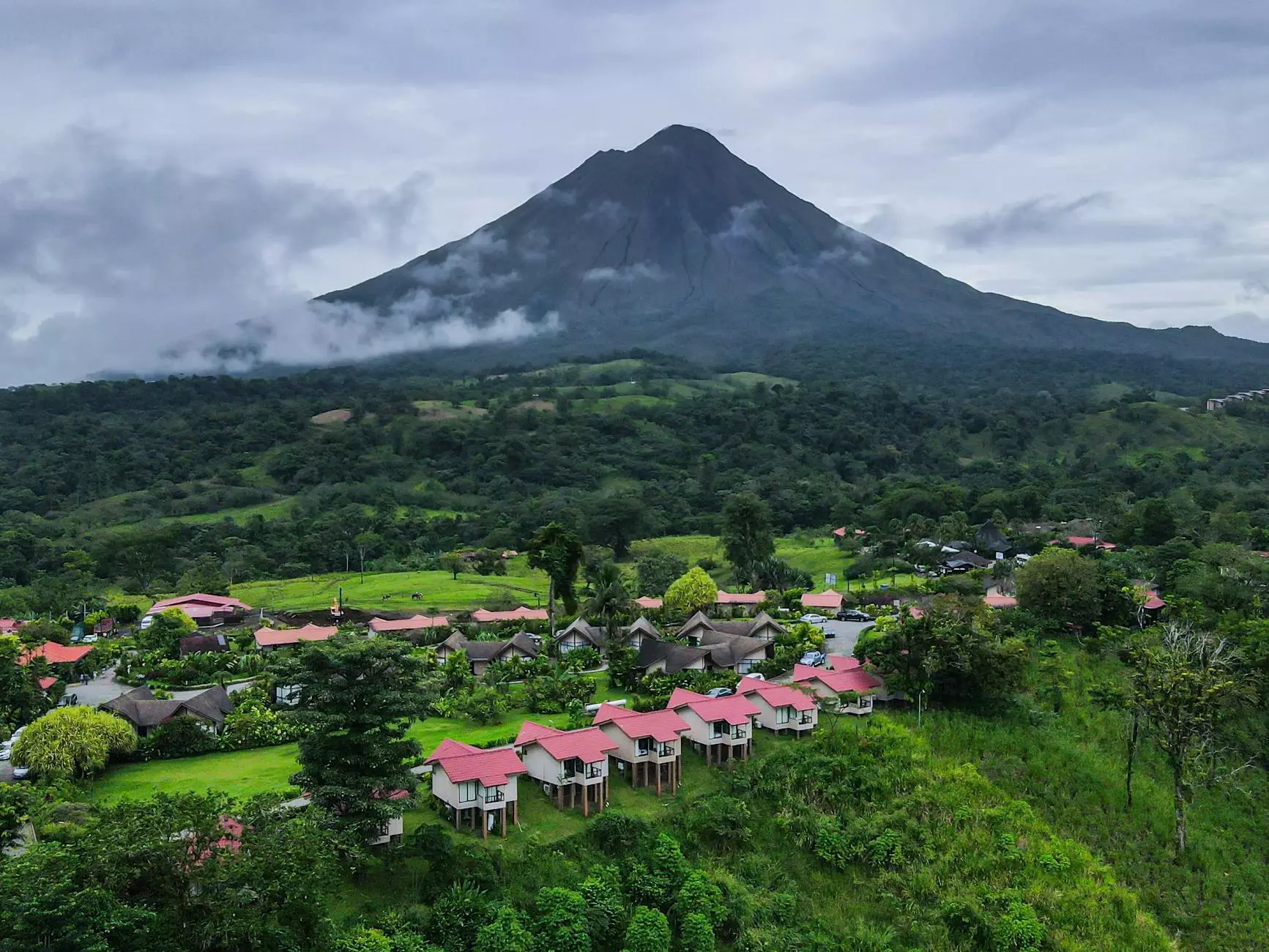
In May, the landscape transforms. The first rains arrive like a blessing, bringing life and an intense green back to the fields and jungles that the dry season sun had turned golden. Don't be scared by the term "rainy season." Typically, the mornings are clear and sunny, ideal for any outdoor activity. In the afternoon, it's common for a refreshing downpour to cleanse the atmosphere and nourish the vegetation, creating explosions of wildlife activities, for example the frogs and associated species.
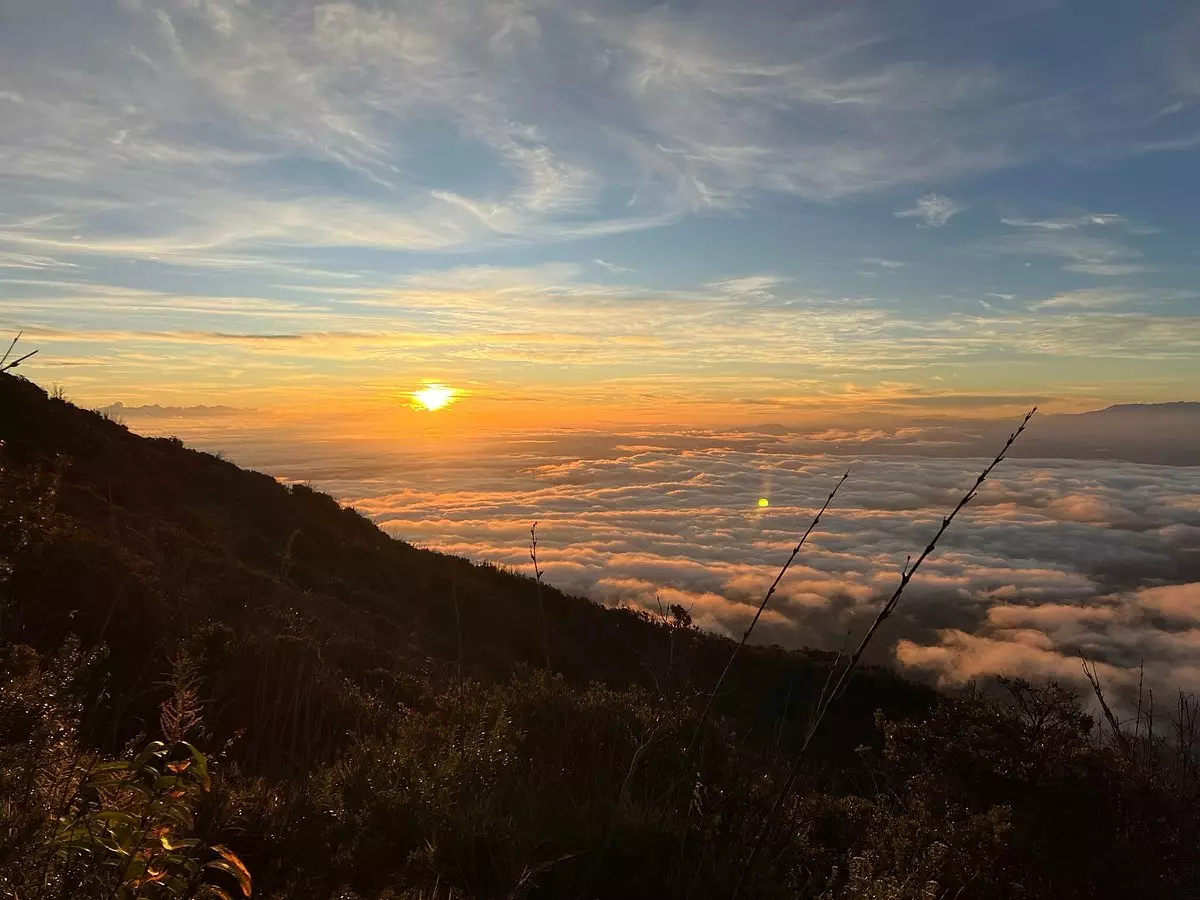
Landscape offers unique contrasts for photography during May and June. These post-rain sunsets are often spectacular, with skies filled with intense colors. This is the time when there are less people and prices drop considerably. You'll have the opportunity to enjoy national parks and beaches almost all to yourself. For photography lovers, the light is softer and the landscape offers unique contrasts. Furthermore, for surfers, this period marks the beginning of better and more consistent waves on the Pacific coast.
July and August are a very interesting window of opportunity. Although it is still the green season, many areas in the Pacific and in the Central Valley experience a phenomenon known as the "veranillo de San Juan." This is a brief pause in the rains that brings back several weeks of drier, sunnier weather.
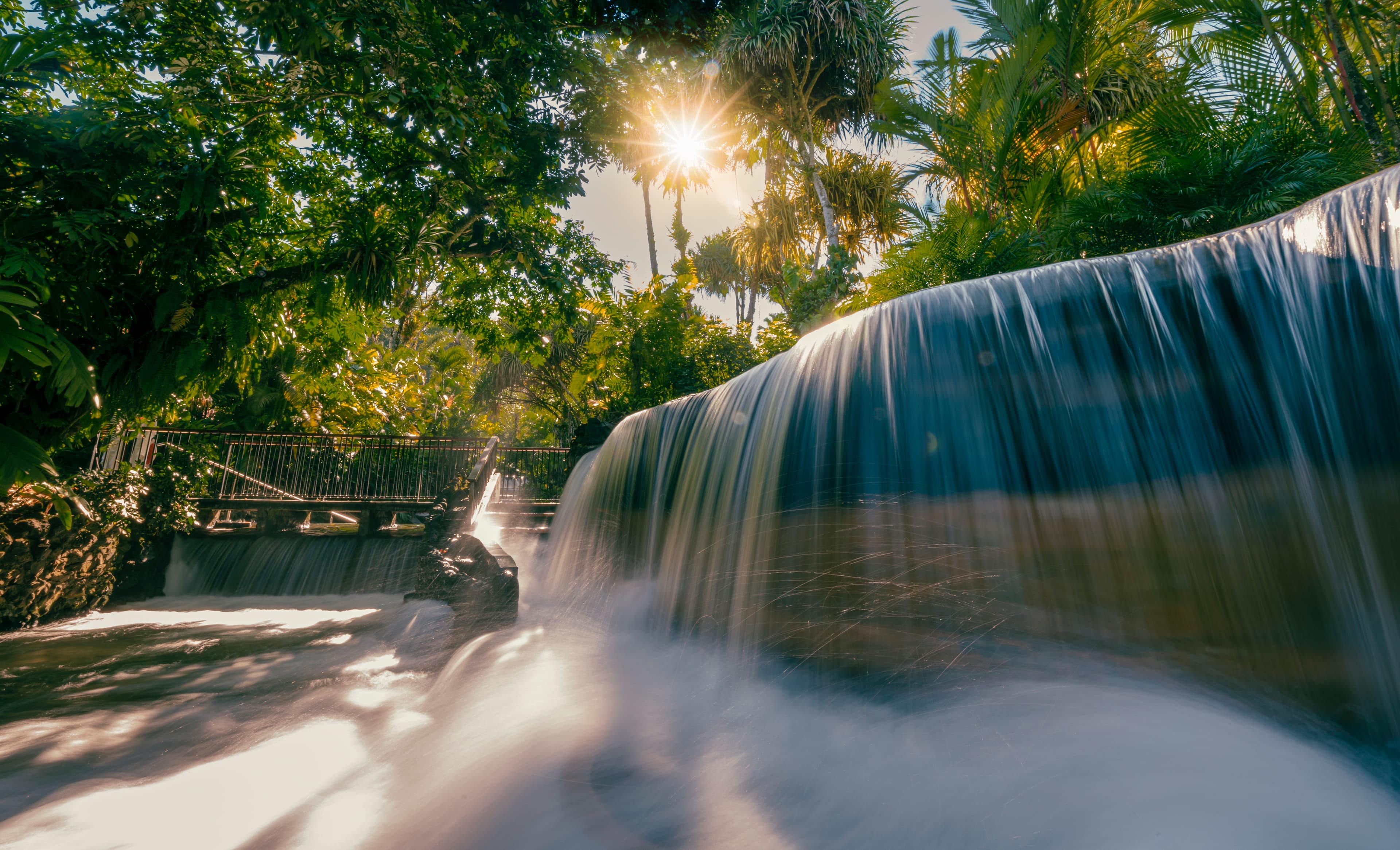
Green sea turtles nesting in Tortuguero reach their peak during these months. The country looks lush and spectacular, and landmarks like the Rio Celeste Waterfall flow with incredible force. In Tortuguero National Park, you can witness the nesting of the green sea turtle, while on the South Pacific coast, humpback whales arrive to give birth.
September and October are, statistically, the rainiest months of the year, especially on the Pacific slope and in the center of the country. The rains can be more persistent, sometimes lasting all day, and some secondary roads may be difficult to navigate. However, the rainforest is in its purest and wildest state.
Rivers are at their highest level making it a perfect time for an adrenaline-filled rafting tour. While the Pacific is experiencing its peak rainfall, the Caribbean Coast is experiencing its driest and sunniest period. It's the perfect time to explore the Afro-Caribbean culture and its coral reefs.
November and December are a gem for those seeking the perfect balance. The heavy rains of October begin to fade, giving way to increasingly sunny days. However, the landscape retains the intense green and vitality of the rainy season. You get the best of both worlds: increasingly pleasant weather and nature at its most splendid.
Intense green and vitality remain throughout this magical transition period. It is an ideal window to find good weather with relatively few people. Prices have not yet reached the peaks of the high season, although they begin to rise as Christmas approaches. It's a great time to enjoy all kinds of activities before the large influx of year-end tourists arrives.
Suggested Itineraries by Season
Route ideas optimized for each period can help you visualize your trip. To make it easier to decide, here are some route ideas based on the specific climate of each season.
Itinerary for Sun Lovers (January - April):
Hot Spots: Liberia (Guanacaste) → Tamarindo or Nosara (beach and surf) → La Fortuna (Arenal Volcano and adventure) → Manuel Antonio (national park and beach) → Depart from San José.
Dry climate guarantees sunny days to fully enjoy outdoor activities. This route focuses on the Pacific coast and the La Fortuna & Arenal Volcano region, where the dry weather is almost guaranteed for hiking or zip-lining.
Itinerary for Nature Explorers (July - August):
Hot Spots: San José → Tortuguero (turtle nesting) → Sarapiquí (rainforest and rafting) → Uvita (whale watching) → Corcovado National Park (intense biodiversity).
Takes advantage of spectacular wildlife events happening during the green season. It combines the unique Caribbean experience with the arrival of whales on the South Pacific, all set against lush landscapes. You might even want to book a sloth tour to see these creatures in their prime.
Itinerary for Budget Adventurers (September - October):
Hot Spots: San José → Puerto Viejo and Cahuita (dry weather in the Southern Caribbean) → Turrialba (rafting on the Pacuare River) → Orosi Valley (scenery and culture) → San José.
Dodges the heaviest Pacific rains by visiting the Caribbean side during its particular "summer." It allows you to enjoy adventures on swollen rivers and explore less touristy areas, all with the lowest prices of the year.
What Moves You? Choose Your Ideal Adventure
In the end, the "best time" depends on your passions. If you're looking for wildlife, although animals are seen year-round, December to April is easier on most of the Pacific coast.
Nesting season lasts from March to July for the resplendent quetzal in the cloud forests. For other species:
Turtles: Green sea turtles nesting in Tortuguero peaks from July to October. Leatherbacks can be seen in the Caribbean from March to June.
Humpback whales: Best months are from July to October and from December to March.
Birds: To see the quetzal in Monteverde, the best time is from March to July.
If you're a passionate surfer, the Pacific Coast receives swells all year round. Beginners will enjoy the dry season (gentler waves), while more experienced surfers prefer the green season for more powerful swells at beaches like Pavones or Santa Teresa.
Rafting and kayaking are more exciting in the green season when rivers are full. Activities like canopy and hanging bridges can be enjoyed year-round, but the dry season ensures better views and fewer cancellations due to weather.
Costa Rica Climate Guide: Average Temperatures & Rainfall by Region
Average temperatures and rainfall by region are provided in the following table to help you visualize regional variations. Please note these are averages.
Practical Tips for a Perfect Trip
Choosing the right transportation option is the first step once you arrive. You can check our detailed transportation tips for a complete overview of how to get around.
Rental Car: A 4x4 vehicle is highly recommended for areas like Monteverde or the Nicoya Peninsula. Waze and google maps are the most reliable navigation apps in the country. Ask us if you need us to arrange a car for you.
Shuttles: We can arrange a shared shuttle to offer you hotel-to-hotel minibus services.
Private transportation: Designed to make it comfortable and faster than the rest of options is the perfect option to enjoy the most of destinations and less of transportation.
Don't leave without trying gallo pinto, the national breakfast dish. For a true Tico experience, look for a "soda" and order a casado. You can learn more about these dishes in our complete guide to Costa Rican cuisine.
Other Final Tips
Book in advance: Even outside the high season, it is advisable to book accommodations and rental cars ahead of time. In the high season, it is essential.
Pack light and quick-drying clothes for your tropical journey. Key items include a good raincoat, mosquito repellent, sunscreen, a hat, comfortable hiking shoes, and sandals that can get wet.
Currency and payments: The local currency is the Colón, but US dollars are widely accepted in tourist areas. It's useful to carry colones for small shops. Check our guide on currency in Costa Rica for more info.
Don't get frustrated by the rain as it is an essential part of the tropical experience. If you are wondering about the general security of the country, read our guide on safe travel to Costa Rica. Be flexible and enjoy the "Pura Vida" rhythm!
Now, with all this information, you have the power to decide. The Costa Rican paradise has an ideal version waiting for you. The question is: when does your "Pura Vida" adventure begin?
Travel + Leisure asked retirement and wellness pros for the best wellness trip for older travelers — and they all picked Costa Rica. Here is how to do it well from La Fortuna, by the people who guide it.
Choosing the best time to travel to Costa Rica is the most important decision to ensure the success of your adventure according to your goals. Unlike other destinations, the "best time" here isn't universal; instead, it depends directly on what you want to do, see, and spend....