Cloud Forest vs. Rainforest: Key Differences and Where to Find Them in Costa Rica

Cloud Forest vs. Rainforest: Key Differences and Where to Find Them in Costa Rica

NatureBy Carlos RodriguezPublished May 19, 2026· Updated May 22, 2026
Costa Rica is recognized for protecting two distinct and fascinating tropical ecosystems: the cloud forest and the rainforest. While these two environments might appear similar at first glance, the changes in elevation and climate create completely different worlds for biodiversity. Many travelers face the decision of planning a cloud forest vs rainforest itinerary during their visit. One environment provides classic tropical warmth and towering trees, while the other features cooler temperatures and mist-draped branches. Understanding these variations will help you decide whether to explore the coastal warmth of Manuel Antonio or the higher mountain elevations of Monteverde.

What is a Cloud Forest?

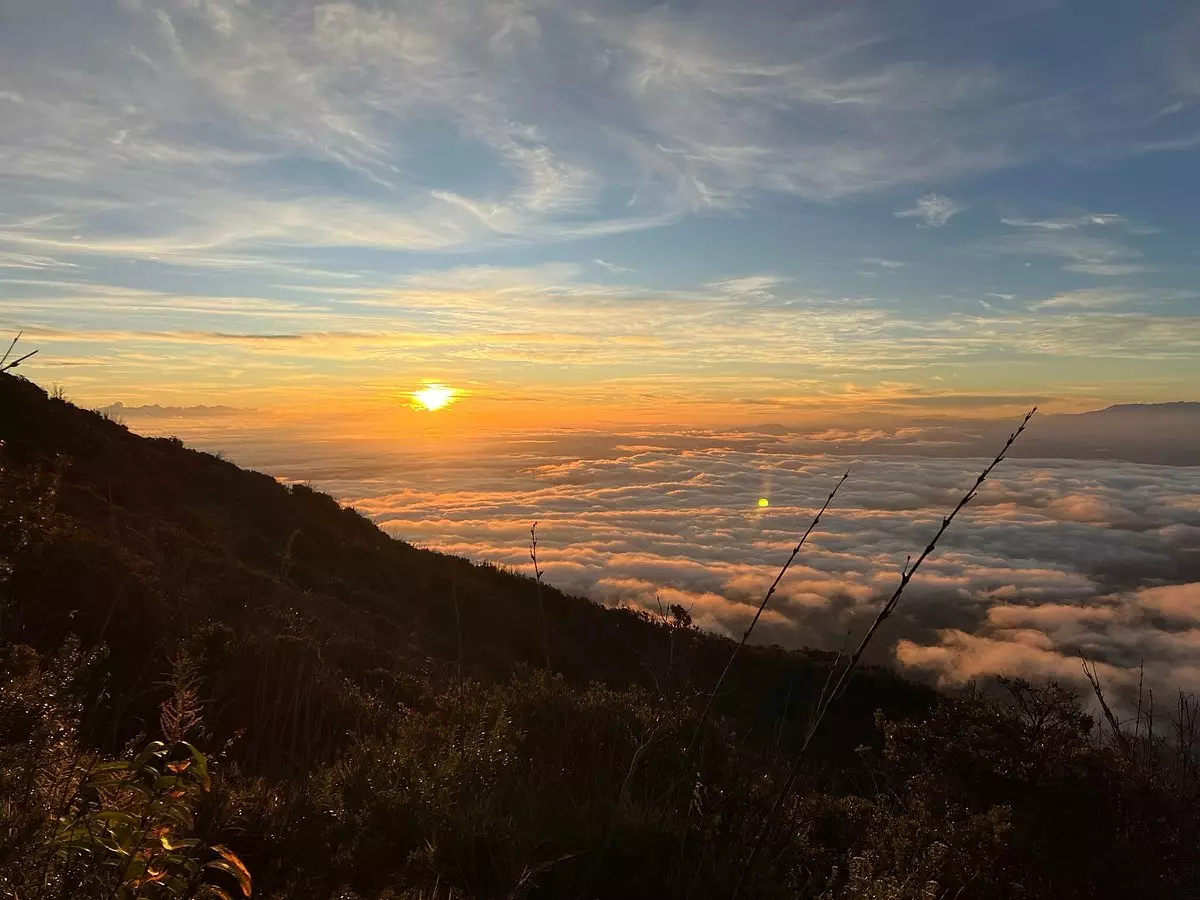
To understand what a cloud forest is, you have to look at altitude and weather patterns. A cloud forest is an ecosystem located at high elevations, defined by a consistent canopy-level cover of mist or fog, known locally as neblina. This happens through orographic precipitation, a process where moist ocean air is forced up mountain slopes, cooling and condensing into low-hanging clouds that sit directly among the trees.

Unlike standard rainforests that depend heavily on falling rain, a cloud forest pulls moisture directly from the fog. Because of this constant moisture, the trees are heavily covered in epiphytes like mosses and, giving the forest a hanging garden appearance. The sits between 1,200 and 1,600 meters (4,000 to 5,200 feet) in elevation, maintaining a cooler, temperate climate that feels significantly different from the coast.

The Costa Rica Tropical Rainforest

Tropical rainforests are generally found in the lowlands, typically at elevations below 1,000 meters. These are the warmer, humid environments characterized by massive emergent trees that can grow over 50 meters tall. The rapid growth cycle in these lowland areas is fueled by intense heat and heavy rainfall throughout the year.

Biodiversity in a rainforest spreads across a vast vertical space, from the shaded forest floor all the way to the sunny, upper canopy. This structure provides the ideal habitat for many iconic species. If you want to spot mammals, this is where you will find a higher concentration of and sloths thriving in the consistent warmth. While the cloud forest offers a quiet and misty environment, the rainforest is large, vibrant, and energetic at every level.

Key Differences: A Side-by-Side Comparison

Elevation is the primary factor that separates these two biomes. The cooler temperatures in the highlands slow down organic decomposition, meaning the soil is often richer in organic matter compared to the fast-cycling nutrients in the lowlands. This isolation at higher altitudes also supports a large number of endemic species—plants and animals found nowhere else on Earth.

Where to Find the Best Cloud Forests

Monteverde & Santa Elena

The Monteverde and Santa Elena reserves are recognized globally as biodiversity hotspots for cloud forests. These protected areas feature extensive networks of hanging bridges, allowing visitors to walk right through the misty canopy. It remains one of the top destinations for, especially for those hoping to see the Resplendent Quetzal, a bird revered by ancient cultures for its striking green plumage.

San Gerardo de Dota

Tucked away in the Talamanca Mountains, is a quieter, high-altitude valley. It serves as an excellent alternative to the busier reserves further north. This region features primary oak forests heavily draped in mist and is highly reliable for Quetzal sightings. It maintains an untouched, tranquil atmosphere for nature enthusiasts.

Where to Find the Best Rainforests

Arenal Volcano & La Fortuna:

The region serves as the ultimate gateway to Costa Rica’s primary rainforest, where the majestic silhouette of the volcano towers over a vast, emerald canopy. This thriving ecosystem is fueled by consistent tropical rainfall, nourishing a landscape of hidden waterfalls, steaming geothermal springs, and dense jungles teeming with life. Visitors can immerse themselves in the "green heart" of the country through high-altitude hanging bridges, winding forest trails, and adrenaline-fueled canopy tours. It is a destination where the raw power of geology meets the serene beauty of the tropics, offering a profound connection to the natural world.

Corcovado National Park

Located on the, Corcovado is famously described as the most biologically intense place on the planet. This vast lowland jungle represents the ultimate tropical rainforest experience. It is home to all four native monkey species, tapirs, and even elusive predators like the jaguar.

Tortuguero National Park

presents a unique rainforest landscape composed of intricate canals and flooded forests. Exploring the area by boat gives you a different perspective of the lowlands. It also provides direct access to vital turtle nesting beaches and an abundance of aquatic birds, making it a highly distinct coastal jungle.

Wildlife and Biodiversity

While both environments are dense with flora and fauna, they support different types of life. The high-altitude mist makes the cloud forest a premier destination for specialized insects, hummingbirds, and endemic flora. The cooler air and steady humidity sustain thousands of varied plant species, offering endless opportunities for observation and photography.

In contrast, the rainforest is known for larger inhabitants. This is the domain of large reptiles, vibrant tropical butterflies, and bigger mammals. Because the canopy is so thick, the animals here have adapted to a highly competitive environment for light and space. Finding these camouflaged creatures usually requires patience and the sharp eye of an expert guide.

Practical Tips for Your Visit

Packing correctly for your trip depends largely on the altitudes you plan to visit. For the higher elevations, layering is important. Even during the dry season, the constant fog can make the air feel quite chilly, so a high-quality rain shell is necessary. In the rainforest lowlands, breathable, lightweight fabrics are essential to handle the heat and heavy humidity.

Both ecosystems have trails that can get muddy quickly, making sturdy, waterproof hiking boots highly recommended. Additionally, the humidity in both locations can affect electronics. Keeping cameras and phones in dry bags is a simple way to prevent moisture damage while you explore the trails.

Why Choose Fortuna Expeditions?

Navigating the transportation and logistics between different elevations can be complex. Whether you are looking to book a, hike around the, or take a, we have the local expertise to arrange a well-balanced itinerary.

We manage the practical details so you can focus on the experience, from spotting the national to learning about local mysteries and historic sites. With professional planning, transitioning between the misty highlands and the energetic coastal jungles becomes a seamless experience for any traveler. Check out our to start planning your adventure.

Frequently Asked Questions

Which is better for seeing animals?

The rainforest generally offers more frequent sightings of large mammals, such as troops of monkeys and lounging sloths, due to the warmer climate and abundant food sources. The cloud forest, on the other hand, is much better suited for finding rare birds, specialized amphibians, and unique insects hidden in the dense moss.

Is it always raining in the cloud forest?

It is not always raining heavily, but the environment is almost constantly damp. The pervasive mist and fog provide a steady, light moisture that keeps the vegetation saturated throughout the year, even when there is no active downpour.

How far is Monteverde from the rainforest?

If you are traveling from the rainforests surrounding the Arenal area, Monteverde is approximately a three to four-hour drive by road. Another popular and highly scenic option is the taxi-boat-taxi route that takes you directly across Lake Arenal.

What is the best time to visit the cloud forest?

The dry season, which runs from December to April, typically provides the clearest views and more comfortable hiking conditions. However, visiting during the rainy season means the foliage is at its absolute peak, offering an incredibly lush and vibrant green landscape that truly defines the region.

Are there dangerous animals in the cloud forest?

Due to the cooler temperatures, there are fewer venomous reptiles in the highlands compared to the hotter lowlands. Still, it is a good idea to read up on and follow basic safety guidelines, such as staying on marked trails and always listening to your local guide.

You might be interested

Contact

Contact US

Please feel free to contact us… We will be happy to help you with your vacations in Costa Rica.

TripAdvisor Best of the Best 2023