Visiting Costa Rica in the Rainy Season: Secrets & Benefits

Visiting Costa Rica in the Rainy Season: Secrets & Benefits

PlanningBy Carlos RodriguezPublished May 19, 2026· Updated May 22, 2026

Visiting Costa Rica in the Rainy Season: Secrets and Benefits

Traveling during the offers a unique perspective on the tropics, characterized by vibrant landscapes, active wildlife, and significantly fewer crowds. While many travelers reflexively avoid the rain, the "Green Season" provides distinct advantages that make it the preferred time of year for experienced globetrotters and nature enthusiasts.

Understanding the Green Season: More Than Just Rain

The term Costa Rica rainy season often brings to mind images of endless, grey storms, but the reality is much more nuanced. Typically running from May through mid-November, this period is locally embraced as the Green Season (Temporada Verde). The primary secret of this season is the predictability of the .

In most regions, including , the , and the Pacific Coast, you can expect clear, sunny skies from dawn until early afternoon. Around 2:00 PM or 3:00 PM, the sky typically darkens, followed by refreshing tropical showers that last a few hours.

This daily cycle allows you to complete your most active early in the day when the air is fresh and the light is perfect for photography. The rain usually arrives as a heavy but brief downpour in the late afternoon, cooling the temperature and providing the perfect excuse for a nap, a visit to a local coffee shop, or a soak in the volcanic hot springs. Understanding these morning sunshine patterns is the ultimate key to mastering your itinerary.

Why It Is Not a Constant "Costa Rica Storm Season"

It is a common misconception that the country experiences a "storm season" similar to the hurricane belts of the Northern Caribbean or the Gulf of Mexico. Because Costa Rica is located between 8° and 12° north of the equator, it is rarely hit directly by hurricanes. Instead, the weather is governed by the Intertropical Convergence Zone (ITCZ) and occasional tropical depressions. While these can cause increased rainfall for a few days, they are not the daily norm for travelers.

The Caribbean Exception

One of the most important regional secrets is that Costa Rica has two distinct climate regimes. While the Pacific side is at its wettest in September and October, the and are experiencing their driest and sunniest weather. If you are visiting during the peak of the rainy season, heading east offers a "second summer" for your vacation.

Veranillo de San Juan

Even during the peak of the wet season, there is a famous phenomenon known as the Veranillo de San Juan. This "little summer" usually occurs in late June or early July, bringing a week or two of unexpected dry weather and clear skies right in the middle of the rainy period. This is often triggered by an intensification of the trade winds, providing a perfect mid-season break for travelers.

Financial and Logistical Benefits

One of the most compelling reasons for visiting Costa Rica in the rainy season is the significant financial incentive. During the "Temporada Verde," the cost of travel drops dramatically:

Accommodation Savings: Many of the and luxury lodges drop their prices by 20% to 40%. This allows you to experience high-end, 5-star accommodations that might be financially out of reach during the peak dry months of December through March.

Flight Costs: International airfare to is generally much lower, often saving travelers hundreds of dollars per ticket compared to the Christmas or Spring Break windows.

Exclusivity: The lack of crowds transforms the experience. You can walk through or the without the shoulder-to-shoulder traffic of January. This sense of exclusivity makes the rainforest feel more intimate and untouched.

Flexible Booking: You have a much better chance of securing last-minute spots on popular or zip-lining adventures without booking months in advance.

Nature at Its Most Vibrant

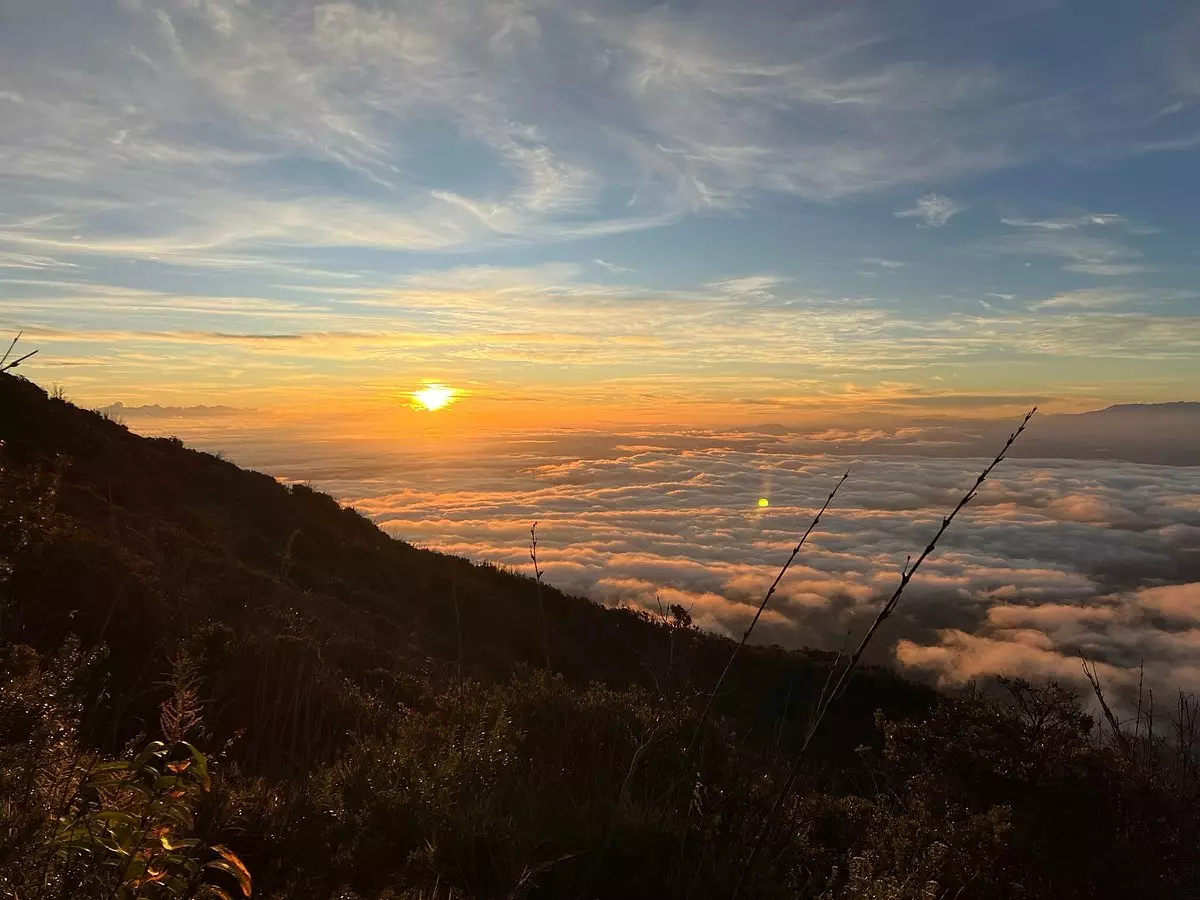
The most obvious benefit of the Costa Rica rainy season is the "explosion of life." After a few weeks of rain, the brown, parched landscapes of the dry season transform into a world of intense, neon-green hues.

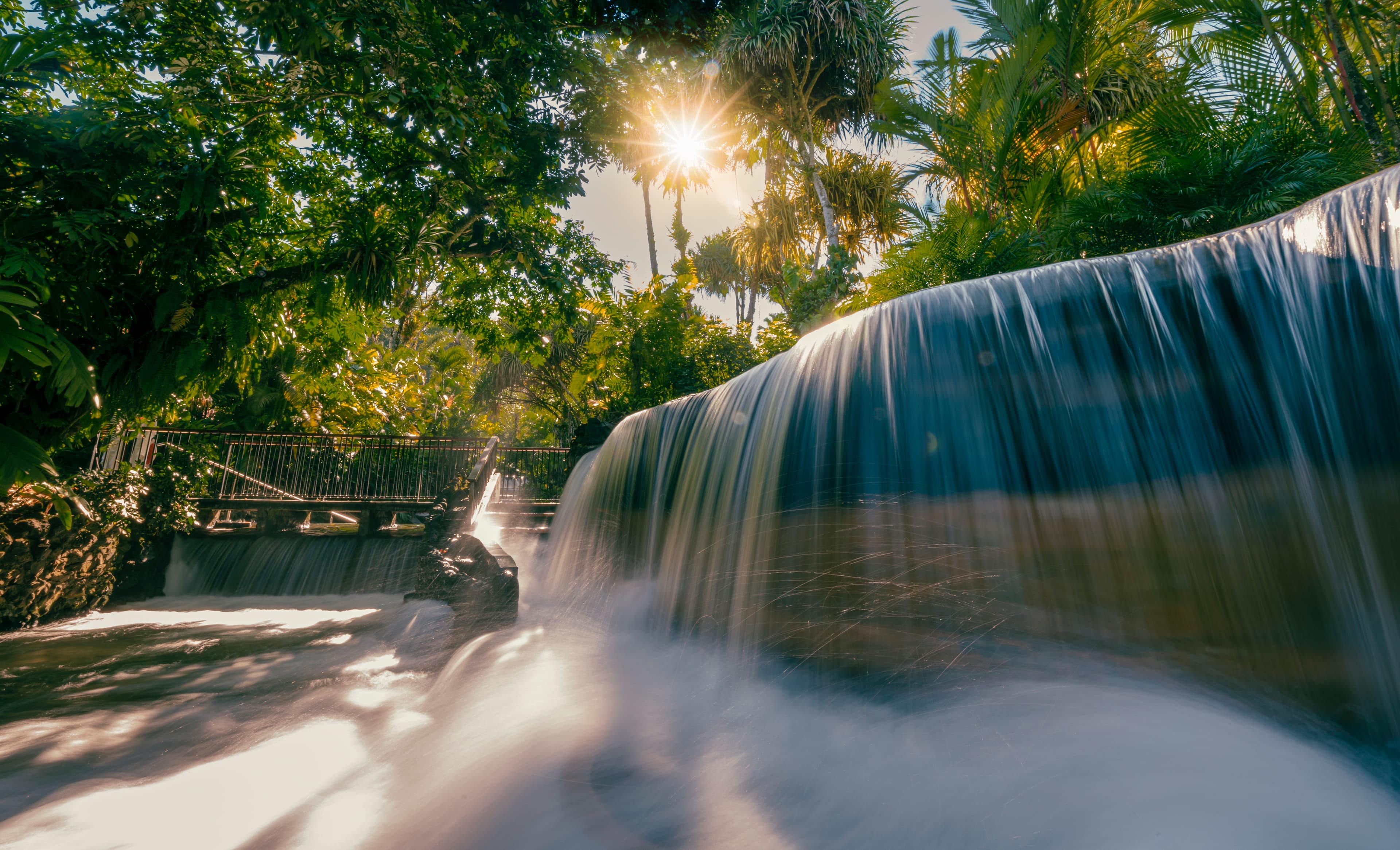
Waterfalls: Iconic falls like the and Nauyaca are far more powerful and majestic.

River Rafting: For adventure seekers, the water rafting levels are much more exciting. Rivers like the Pacuare and swell, creating higher-class rapids (Class III and IV) that are perfect for a thrilling .

Rio Celeste: While the stunning turquoise color of the remains a highlight, it is wise to check local conditions after a storm, as heavy sediment runoff can occasionally dull the color for 24–48 hours.

Wildlife Sightings in the Rain

Many travelers assume animals hide when it is raining in Costa Rica, but the opposite is often true. The abundance of water and ripening fruit means wildlife sightings are frequent and spectacular.

Frogs and Amphibians: The rainy season is "peak season" for herpetology. It is the best time to see the iconic red-eyed tree frog and the glass frog, as they are most active and vocal during the rains.

Sea Turtles: If you visit between July and October, you are in the heart of the . This is the prime time to witness Green Sea Turtles in Tortuguero or Olive Ridley "arribadas" (mass nestings) in Ostional.

Humpback Whales: The rainy season coincides with the arrival of Antarctic Humpback whales in the Marino Ballena National Park (Uvita), peaking between August and October.

Sloths: They remain very active, and a is a great way to see them as they feast on the fresh, tender leaves that grow rapidly during this time.

Regional Secrets: The Guanacaste Dry Corridor

If you are worried about too much rain, head to the Guanacaste dry corridor. This northwestern province, including , , and Papagayo, receives significantly less rainfall than the rest of the country. Even when it is raining heavily in the Southern Pacific or the Highlands, Guanacaste often stays sunny for much longer periods. This region is ideal for those who want the off-season discounts without the high humidity of the rainforest.

Essential Rain Gear and Preparation

A successful trip during the wet season in Costa Rica comes down to strategic preparation. The goal is to stay dry while moving and to protect your electronics from the high humidity.

High-Quality Rain Gear: Avoid thin plastic ponchos; they trap heat and tear easily. A lightweight, breathable GORE-TEX or similar rain shell is a much better investment.

Dry Bags: These are essential for , boat trips, or even just hiking. Keeping your camera, phone, and passport in a waterproof dry bag ensures a sudden downpour won't ruin your gear.

Footwear: Waterproof hiking shoes with deep tread are vital, as volcanic clay trails can become very slick when wet.

Quick-Dry Clothing: Avoid denim and heavy cotton. Synthetic, moisture-wicking fabrics that dry fast will keep you comfortable throughout the day.

Electronics Care: Pack silica gel packets in your camera bag to absorb excess moisture and prevent lens fogging.

Why Choose Fortuna Expeditions in the Green Season?

At , we specialize in navigating the nuances of the Green Season (Temporada Verde). We adjust our tour departures to maximize the morning sunshine patterns, ensuring you get the best views and the safest experiences.

Whether you want to explore the —which are at their absolute best when the water levels are high—or take a to see river wildlife, we have the local expertise to guide you. We monitor weather patterns and road conditions daily to keep our guests informed. By choosing us, you gain access to the best and the knowledge of exactly where to go when the clouds roll in.

Frequently Asked Questions

Is it always raining in Costa Rica during the wet season? No. Most days follow a pattern of sunny mornings followed by afternoon showers. Full days of rain (locally called a temporal) are rare and usually only happen during a passing tropical depression.

Is the Rio Celeste still blue in the rainy season? Usually, yes. The blue color is a chemical reaction (Mie scattering) caused by minerals. However, after extremely heavy rain, the river can turn a muddy color for a day or two due to sediment. It is always best to check with your guide before heading out.

Are there more mosquitoes during the wet season? Yes, the humidity and standing water increase insect activity. We recommend using eco-friendly repellent and wearing lightweight long sleeves and pants during your .

Is it safe to drive when it is raining? Yes, but you must be cautious. Mountain roads can have landslides or falling debris after heavy rain. We recommend using a 4x4 vehicle for better traction on secondary roads. If you aren't comfortable driving in tropical conditions, our are a safer, stress-free alternative.

What are the best places to stay in the rainy season? La Fortuna and Monteverde are fantastic because the lush greenery and mist make them feel like a true tropical paradise. Guanacaste is excellent for those seeking more sun, while the Caribbean coast is the "hidden gem" for September and October travel.

You might be interested

Contact

Contact US

Please feel free to contact us… We will be happy to help you with your vacations in Costa Rica.

TripAdvisor Best of the Best 2023